What Does it Mean if an Anion Gap of 20 Mean?
What anion gap measurement shows
The anion gap is a laboratory measurement that helps clinicians understand your electrolytes and see whether your body may have an acid-base balance problem. It is usually reported from a blood test that includes sodium, chloride, and bicarbonate, and sometimes potassium. The number is not a direct measurement of acid, but it offers clues about whether there are extra acids or unmeasured anions in the blood.
Think of it as a brief picture of your serum electrolytes and the body’s buffering system. When the body is creating or retaining too much acid, the anion gap may rise. That is why https://anion-gap-help655.capitaljays.com/posts/can-isoniazid-cause-a-increased-anion-gap the result is often used in the evaluation of metabolic acidosis, an acid-base disorder that can happen for many different reasons.
An anion gap calculator can calculate this value using the key electrolyte numbers from a lab report. That calculation supports clinical interpretation by helping identify whether a laboratory result suggests an elevated anion gap and whether more testing may be needed.
Is an anion gap of 20 high?
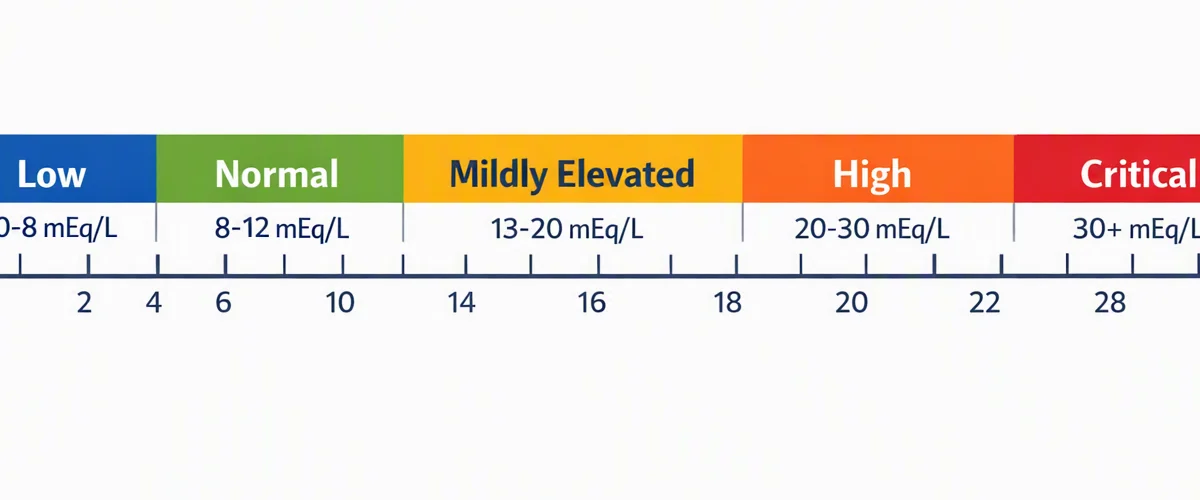
An anion gap of 20 is often considered above normal, but the answer depends on the lab’s reference range or lab reference range. Various laboratories use different methods and different reporting systems, so the normal anion gap range can vary. In most settings, a result around 20 is above the typical reference interval and may be labeled a high anion gap.
That said, the number alone does not tell the full story. A mild increase can sometimes reflect lab variation, differences in measurement technique, or a small shift in electrolytes rather than a serious illness. The key is how the value fits with the rest of the basic metabolic panel, your symptoms, and the rest of the diagnostic evaluation.
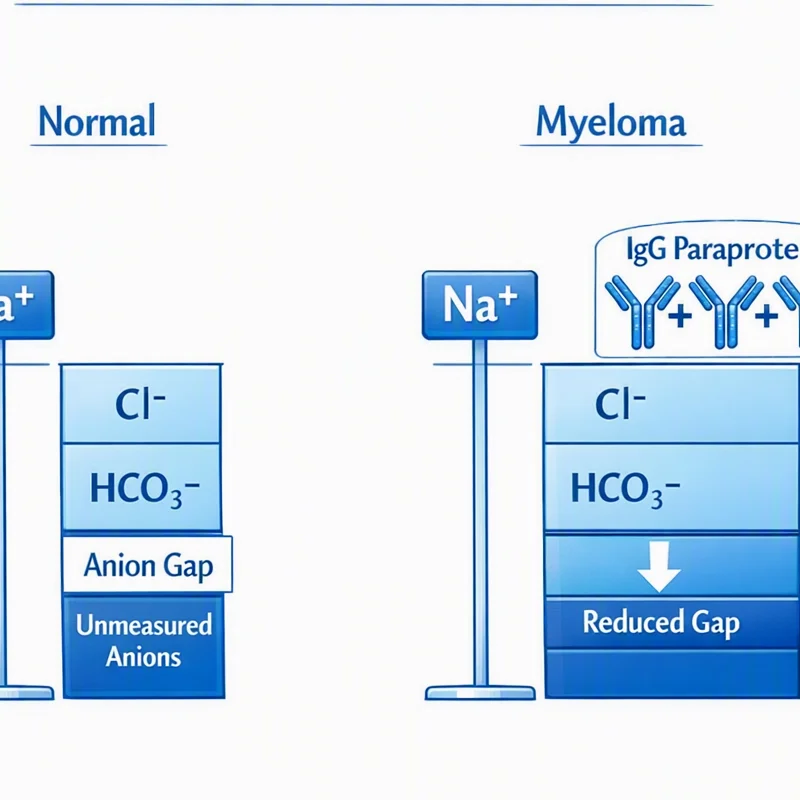
Doctors evaluate the anion gap as part of the bigger picture. A high result can suggest an underlying cause of acid accumulation, but it is not a diagnosis by itself. The medical significance depends on whether the elevation is persistent, whether other test results are abnormal, and whether there are symptoms of an electrolyte or acid problem.
In practical terms: an anion gap of 20 is a value that merits attention, but it does not automatically mean an emergency. It usually means your clinician should interpret it alongside the rest of the laboratory data and your overall condition.
Typical causes of a high anion gap
A high anion gap usually suggests metabolic acidosis, where acid builds up in the body or bicarbonate is consumed buffering excess acid. Several conditions can cause this result.
Lactic acidosis happens when lactate rises, often because tissues are not getting enough oxygen or because the body is under major stress. It can occur with severe infection, low blood pressure, seizures, or other illnesses. Because lactate is an unmeasured anion, it can raise the anion gap.
Ketoacidosis is another major cause. This can happen when the body breaks down fat rapidly and produces ketones, which are acidic. Diabetic ketoacidosis is the most common form, but ketoacidosis can also occur with prolonged fasting, heavy alcohol use, or severe illness.
Kidney disease and kidney failure can also raise the anion gap. When the kidneys do not remove acids effectively, the body can develop a buildup of acid and other retained substances. This is why renal function is an essential part of the workup.
Other causes include exposure to toxins or certain medications. Salicylates, such as aspirin in high doses, can contribute to an elevated anion gap and other acid-base changes. Some poisons and drug exposures can also alter the balance of acids and electrolytes.
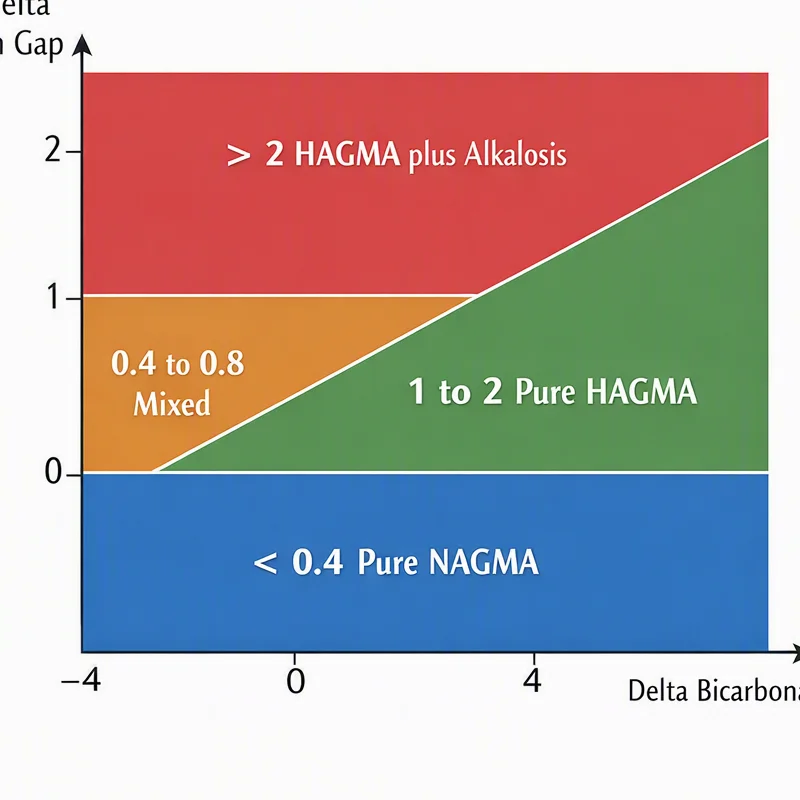
Less commonly, a high anion gap can be related to severe dehydration, which can reduce circulation and worsen acid buildup, or to mixed acid-base conditions that make the laboratory picture more complex. This is why follow-up testing matters when the result is abnormal.
How an anion gap is calculated
A anion gap calculation is typically done from values on a basic metabolic panel. The standard formula is:
Anion gap = sodium - (chloride + bicarbonate)
Certain labs include potassium in the formula, but many do not. Since potassium is present in a smaller amount than sodium, chloride, and bicarbonate, the result may vary only slightly whether potassium is included. The key part is to use the identical method your lab uses when comparing values.
An Anion Gap Calculator can streamline this process easier by using the correct calculation method automatically. You input the lab values for sodium, chloride, bicarbonate, and sometimes potassium, and the calculator returns the estimated gap. This can support patients and clinicians quickly review a lab result, but it should never replace professional professional assessment.
The cause this number matters is that it helps identify acid from sources other than the standard measurable electrolytes. A rise suggests more unmeasured anions or a loss of bicarbonate in the context of an electrolyte disorder. That is why the anion gap is often used as a clue to acid-base problems rather than as a stand-alone diagnosis.
Signs that can occur in cases of a high anion gap
What you feel depends on what’s behind the higher level. A few people show only minor symptoms, while others become very sick. Typical symptoms that may happen with a high anion gap include shortness of breath, nausea, confusion, and fatigue.
Difficulty breathing can happen when the body works to compensate for acidic blood by adjusting the breathing pattern. Nausea can happen with ketoacidosis, toxin exposure, or severe illness. Confusion can be a sign that acid-base changes are affecting brain function or that another underlying problem is present. Fatigue is common in many causes of metabolic acidosis because the body is under physiologic stress.
Evaluating symptoms is important because the same anion gap number can mean very different things in different situations. Someone with mild dehydration and a small elevation may feel only slightly unwell, while someone with diabetic ketoacidosis or kidney failure may have severe symptoms and need urgent care.
What clinicians review next
When the anion gap is elevated, clinicians usually move to additional testing to identify the cause. A blood gas is frequently requested because it allows assessment of pH and show whether there is true metabolic acidosis, respiratory compensation, or a mixed disorder. This is important for pinpointing the type and severity of the acid-base problem.
A basic metabolic panel is also reviewed closely. Doctors check sodium, chloride, bicarbonate, kidney markers, and sometimes repeat the test to recheck the finding. They may also look at glucose, since high glucose can suggest diabetic ketoacidosis, especially if the person has diabetes or symptoms of dehydration and illness.
Lactate is another key test, especially if lactic acidosis is possible. Elevated lactate can explain a high anion gap and may point to poor oxygen delivery, infection, shock, seizures, or other stress states. If needed, clinicians may order additional labs to assess for ketones, kidney function, or toxin-related causes.
Because the anion gap is only one piece of the puzzle, doctors use it as part of a broader diagnostic evaluation. They consider the full set of lab values, symptoms, medications, and recent exposures. This approach helps them determine the most likely cause and decide whether the situation is stable or urgent.
When to seek prompt medical care
Get immediate medical care if a high anion gap is paired with dangerous symptoms such as worsening shortness of breath, severe vomiting, marked confusion, fainting, chest pain, or signs of shock. This kind of presentation can indicate a major acid-base problem, dangerous dehydration, or another condition that needs rapid treatment.
Emergency care is especially important if there is possible toxin exposure, including overdose, accidental ingestion, or exposure to substances such as salicylates. If there is known diabetes plus symptoms of illness, rapid breathing, abdominal pain, or confusion, diabetic ketoacidosis must be considered urgently.
Dehydration can also make an elevated anion gap worse, particularly if there is vomiting, diarrhea, poor intake, or heat illness. Severe dehydration can reduce kidney perfusion, impair clearance of acids, and worsen the underlying electrolyte imbalance.
Do not delay for symptoms to become extreme if you have a high lab result and feel significantly unwell. A clinician can decide whether the result needs immediate action, repeat testing, or hospital evaluation. The safest approach is to treat a concerning laboratory result in the context of the full clinical picture rather than relying on the number alone.
Frequently asked queries
What is considered a normal anion gap?
The expected range depends on the lab and its measurement method, so the exact reference interval for anion gap can vary. Many labs regard values in the low teens or lower to be normal, but you should always check the specific lab range listed with your results. The most accurate interpretation comes from the lab’s own laboratory reference range.
Is an anion gap of 20 necessarily dangerous?
No, an gap of 20 is not always dangerous. It is often a increased anion gap and may signal a medical issue, but the risk depends on the cause, the rest of the labs, and whether you have symptoms. Some cases need prompt doctor evaluation, while others are less urgent. The overall clinical significance comes from the full clinical context.
What can cause a high anion gap other than diabetes?
There are many causes besides diabetes. Common ones include elevated lactic acid, kidney dysfunction, severe kidney dysfunction, and exposure to toxins or salicylate drugs. Other causes of metabolic acidosis can also raise the value, so clinicians usually look at glucose, lactate, kidney function, and the rest of the acid-base picture.
How is an anion gap calculated from a blood test?
The most common anion gap calculation uses the equation: sodium minus chloride plus bicarbonate. In other words, it is usually calculated from the values on a basic metabolic panel. Some formulas also include K. An Anion Gap Calculator can do the math quickly, but the result still needs proper clinical interpretation.
When is it time to contact a doctor about an abnormal anion gap?
Contact a doctor if your test results show an abnormal gap and you have symptoms such as shortness of breath, disorientation, persistent nausea, or severe fatigue. You should seek urgent help for severe symptoms, possible fluid loss, or any concern for toxin exposure. A clinician may recommend a blood gas test, repeat electrolytes, sugar level, lactic acid, and other tests to complete the clinical assessment.